
The intriguing history of gambling how it shaped societies through the ages
The intriguing history of gambling how it shaped societies through the ages
The Origins of Gambling
The history of gambling dates back to ancient civilizations, where games of chance were an integral part of culture and society. Archaeological findings suggest that as early as 3000 BC, the Chinese were using dice made from bones. This form of gambling was not just entertainment; it served social and religious functions, often linked to ritualistic practices. Similarly, the ancient Romans engaged in various forms of gambling, including betting on gladiatorial contests, which highlights the intersection of gambling with societal values and entertainment. To truly understand the landscape, exploring platforms dedicated to aviator india can provide valuable insights into the modern gaming experience.
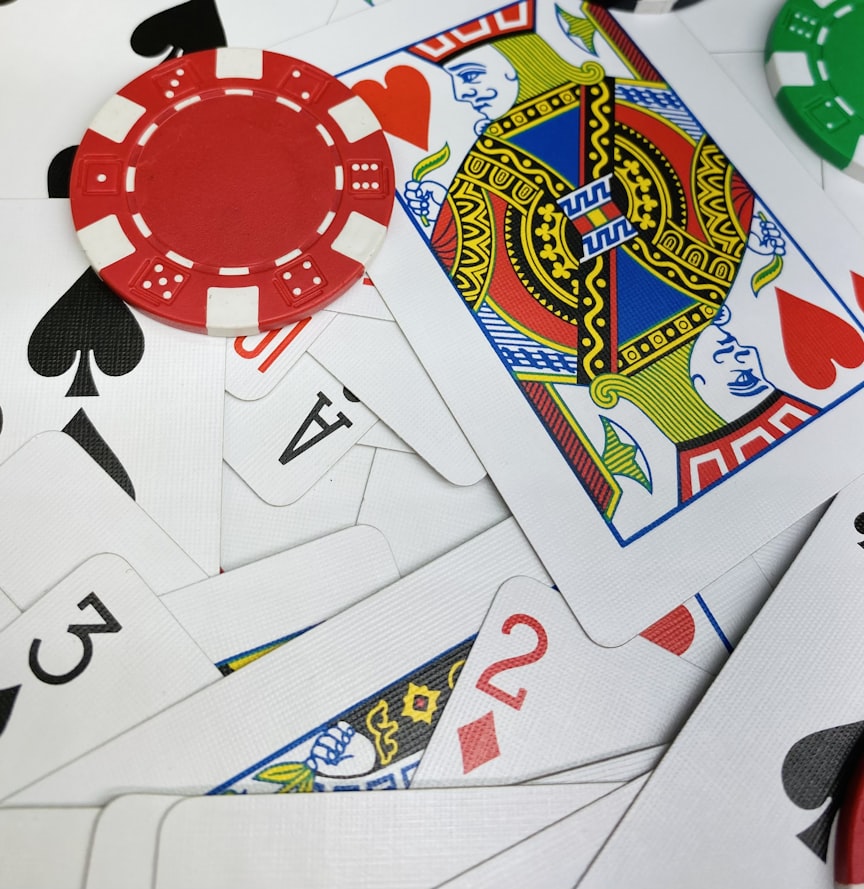
As societies evolved, gambling became more structured. The creation of games, such as backgammon in Mesopotamia around 3000 BC, and the introduction of card games in China in the 9th century AD, marked significant milestones in gambling history. These developments reflected societal changes, including the emergence of leisure as a valued aspect of life. As trade routes expanded, so did the spread of gambling practices, showing how interconnected societies were influenced by the same trends and behaviors.
In medieval Europe, gambling took on new forms. The invention of playing cards in the 14th century introduced a new dimension to gambling, which quickly became popular among various social classes. The establishment of gaming houses in cities contributed to the normalization of gambling as a leisure activity. However, this also led to moral and legal debates, as authorities wrestled with its implications on societal behavior and values, revealing the complex relationship between gambling and societal norms.
Gambling and Society in the Middle Ages
During the Middle Ages, gambling became increasingly intertwined with the socio-political fabric of European societies. Kings and nobles often indulged in gambling as a display of wealth and power. Tournaments and games of chance became social events, attracting the elite and serving as a means of reinforcing status within the hierarchy. The popularity of gambling also led to attempts at regulation, as governments sought to control its influence and curb associated vices, illustrating the duality of gambling as both a social activity and a moral concern.
With the rise of the merchant class, gambling shifted further into public consciousness. Lotteries emerged in the 16th century as a means to raise funds for public projects, reflecting a pragmatic use of gambling for societal benefit. However, the risks associated with gambling became apparent as it also led to increased social issues, including addiction and financial ruin. This growing awareness sparked debates about responsibility and regulation, showing how gambling was both a source of entertainment and a societal challenge.
By the late Middle Ages, gambling had solidified its place in culture, leading to the establishment of dedicated venues, such as casinos. The first official casino, the Casino di Venezia, opened in Italy in 1638, marking a significant milestone in the history of gambling. These venues catered to the wealthy and became centers of social interaction, further blurring the lines between gambling and societal function. The evolution of gambling during this period encapsulated changing attitudes towards risk, reward, and societal values.
The Evolution of Gambling in Modern Times
The 19th century marked a significant transformation in the gambling landscape, with the industrial revolution bringing about sweeping changes. The advent of organized betting and the establishment of horse racing as a major gambling venue attracted a diverse crowd. With advancements in technology, including the creation of the roulette wheel and slot machines, gambling became more accessible to the masses, reflecting a shift toward a more democratized form of entertainment. This democratization also led to new societal challenges, as gambling addiction began to emerge as a significant issue.
The legalization of gambling in various forms during the 20th century further shaped societal perceptions and norms. In the United States, Las Vegas became synonymous with gambling culture, transforming into a hub for entertainment and tourism. The city’s expansion was fueled by a combination of economic factors and social acceptance of gambling as a legitimate form of entertainment. This transformation not only provided economic benefits but also created a unique cultural identity, embedding gambling into the fabric of American life.
However, the rise of gambling also sparked a counter-movement focused on the social implications of betting. Organizations began to advocate for responsible gambling, highlighting the need for education and prevention regarding gambling addiction. This interplay between promotion and prevention reflected broader societal shifts towards health and wellbeing, emphasizing the complex relationship that modern societies have with gambling as both a source of joy and potential harm.
Gambling as a Global Phenomenon
Gambling today is a global phenomenon, with diverse practices and regulations varying from one culture to another. In Asia, for instance, gambling is often associated with festivals and traditional games, while in Europe, it is more institutionalized with a focus on casinos and sports betting. This global diversity showcases how gambling adapts to cultural norms and economic conditions, shaping and being shaped by the societies in which it exists. Each region presents a unique narrative on how gambling influences social interactions and economic dynamics.
The rise of online gambling platforms in the 21st century has transformed the gambling landscape once again, breaking down geographical barriers and changing how people engage with games of chance. The accessibility of online casinos and mobile betting has led to an exponential increase in participation, creating new social dynamics around gambling. However, this shift has also raised concerns regarding regulation, addiction, and the impact of technology on traditional gambling practices.
The societal implications of gambling extend beyond individual behavior; they encompass issues of economics, morality, and social responsibility. As governments grapple with the economic benefits of taxation from gambling establishments, they also face the challenge of addressing associated social problems. This ongoing negotiation reflects the complexities of gambling as a societal fixture, highlighting its potential for both positive and negative impacts on communities worldwide.

Understanding Gambling Today: Resources and Insights
In today’s digital age, resources are more abundant than ever for individuals seeking to understand gambling and its implications. Websites dedicated to providing insights into various games, strategies, and responsible gambling practices are essential for both newcomers and seasoned gamblers. Such platforms empower players to make informed decisions and navigate the complexities of gambling responsibly, ensuring that they can enjoy their experience without falling into the traps of addiction or financial hardship.
As the landscape of gambling continues to evolve, it is crucial for players to stay informed about the latest trends, technologies, and regulations impacting the industry. Online forums, blogs, and expert reviews provide valuable perspectives, enabling individuals to access a wealth of information tailored to their interests and needs. This access to knowledge fosters a more engaged and responsible gambling community, which is vital in an industry that has the potential to impact lives significantly.
Ultimately, understanding the intricate history of gambling helps individuals appreciate its role in shaping societies throughout the ages. By delving into its origins, evolution, and current state, players can better navigate the complexities of this age-old practice. Whether for entertainment or social interaction, gambling remains a fascinating aspect of human culture, interwoven with our societal development and values.

Leave a comment